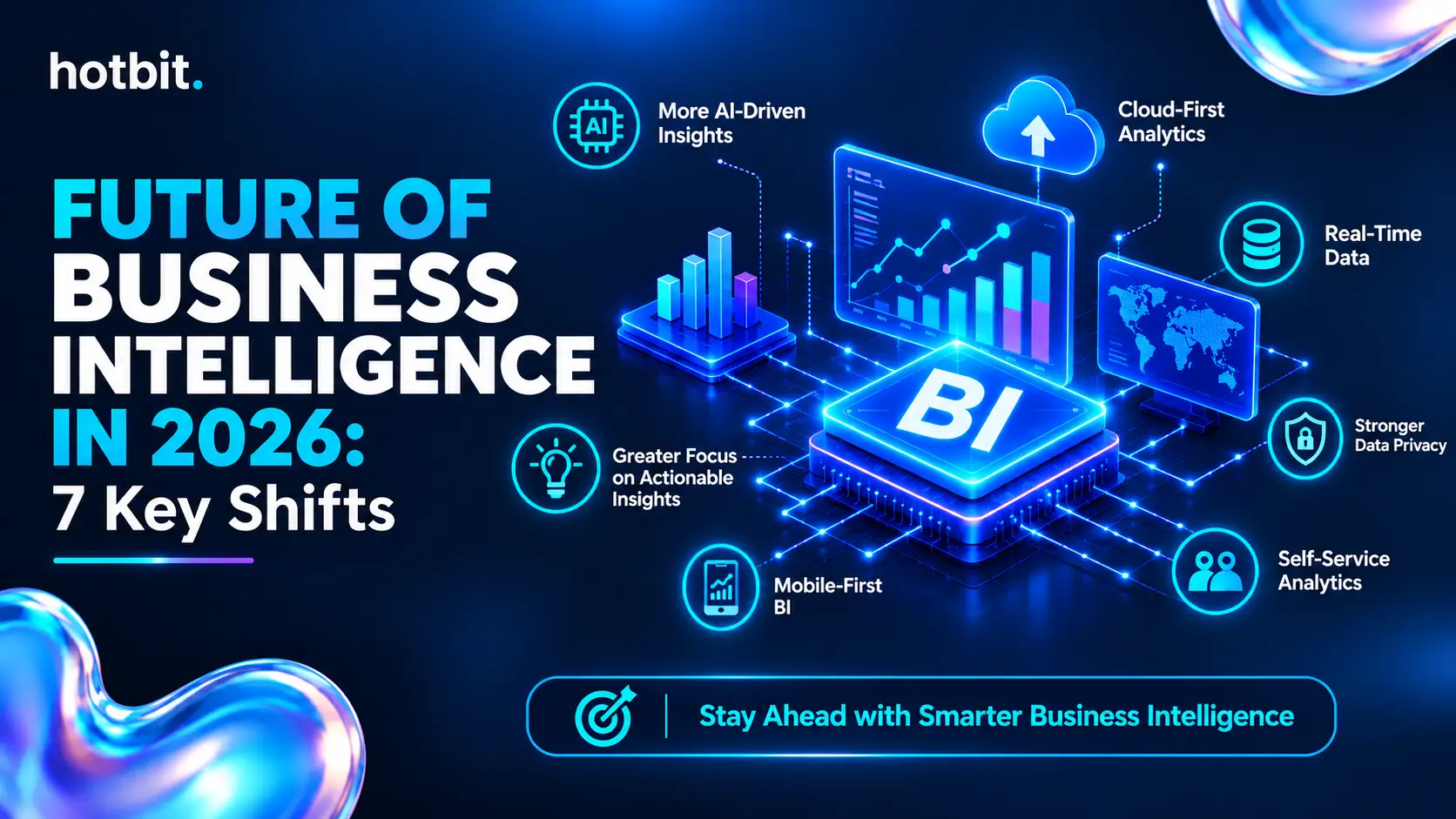
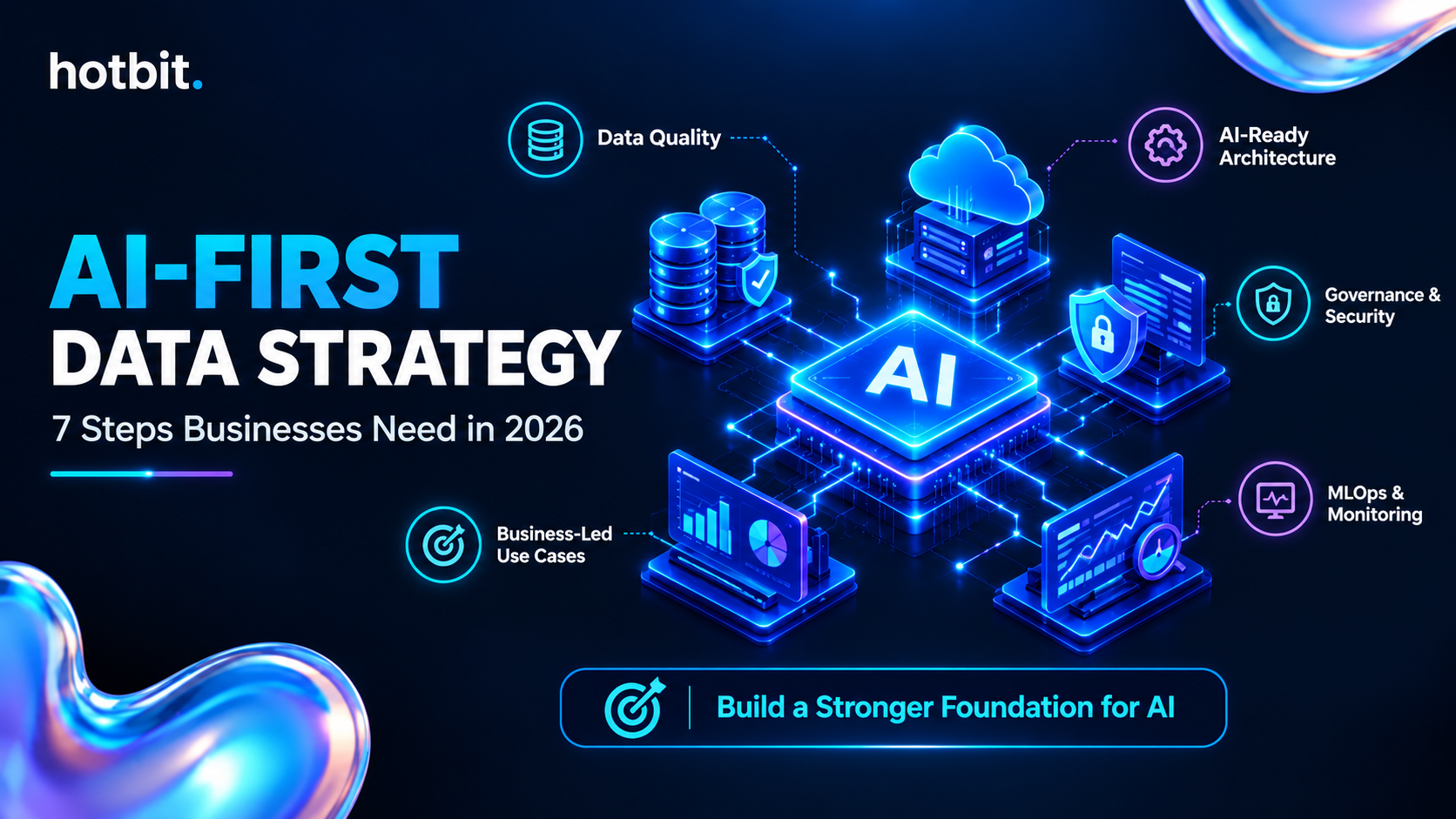
The future of business intelligence in 2026 belongs to governed, AI-driven analytics that help answer questions, flag anomalies, and recommend next actions. Traditional dashboards explain what happened, while AI-assisted analytics can also help investigate changes and guide next actions. Understanding the differences between generative AI and traditional business intelligence can help businesses evaluate how AI-powered analytics fit into their decision-making processes. According to Gartner, the global research and advisory firm, its June 16, 2026 announcement on data and analytics trends forecasts that more than 10% of enterprises will operate as AI-first organizations by 2030.