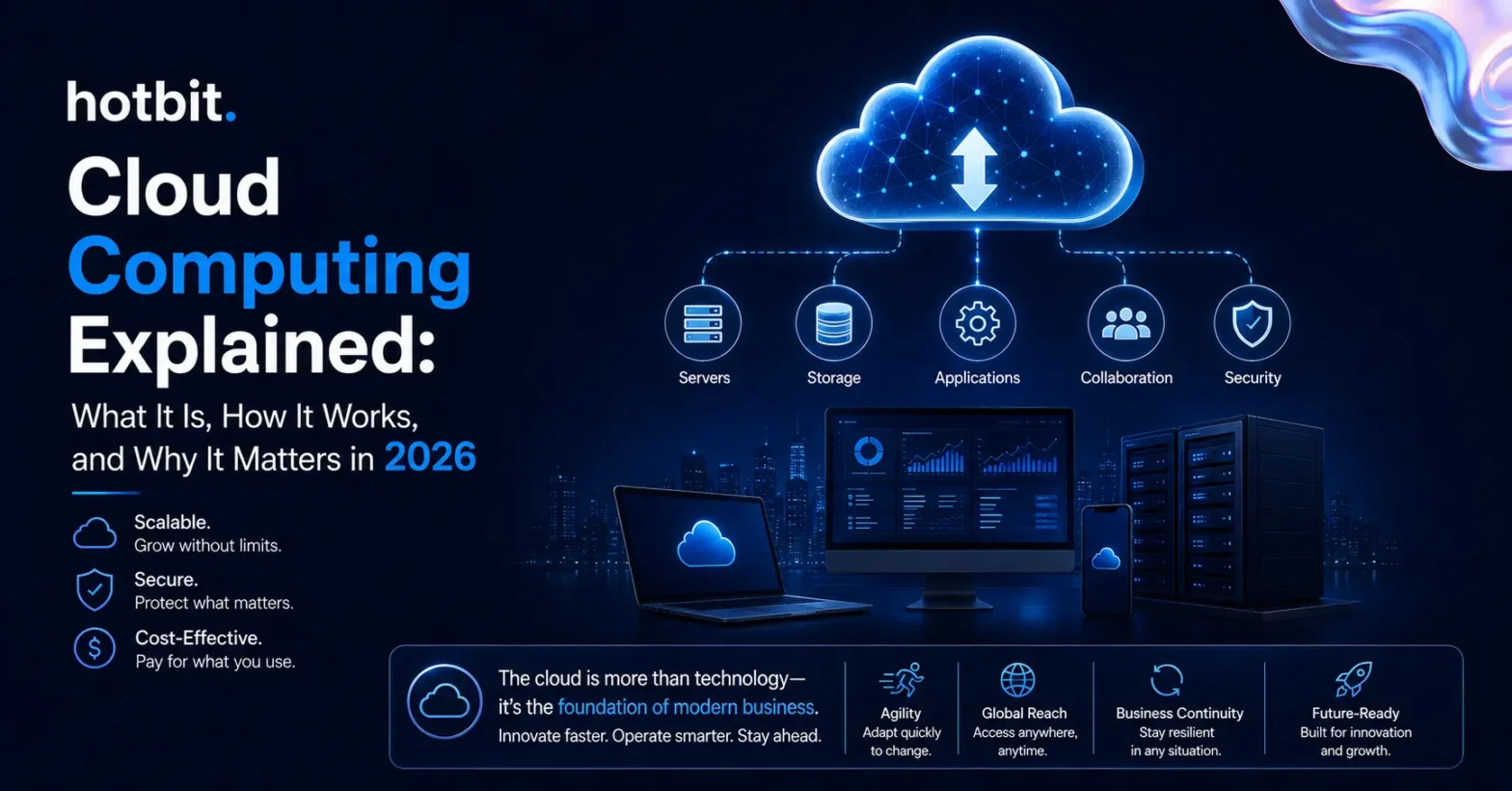
Cloud Computing Explained: What It Is, How It Works, and Why It Matters in 2026

Every growing business eventually hits the same wall: the servers it owns can’t keep pace with the demands it’s placing on them. A product launch spikes traffic tenfold overnight. A new market requires infrastructure on another continent by next quarter.

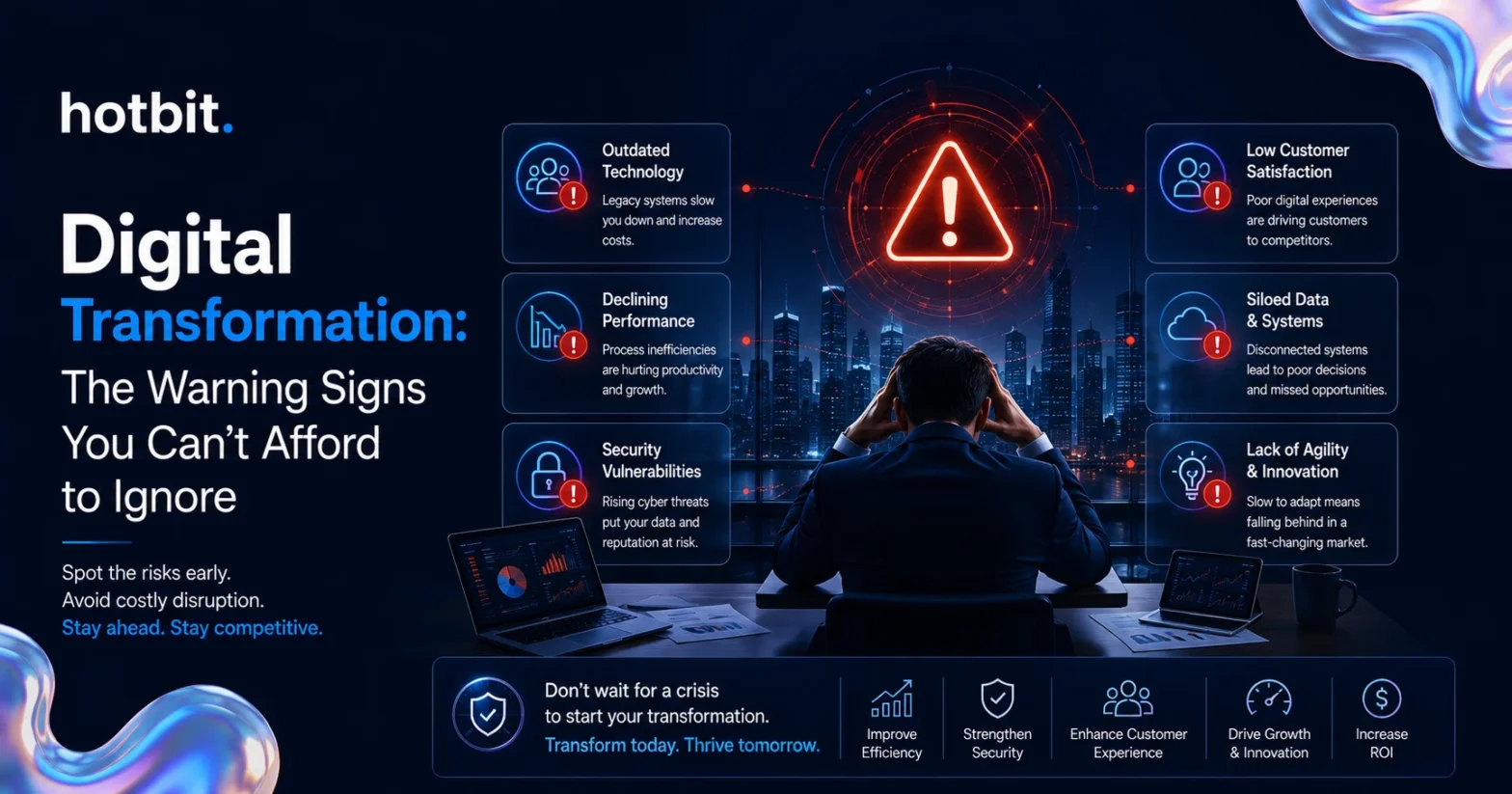
Digital Transformation: The Warning Signs You Can’t Afford to Ignore

Digital transformation is no longer optional for businesses that want to compete on speed. The last era ran on manual processes and legacy platforms; the next runs on connected, intelligent systems, and the companies still waiting to make that shift are already losing ground to the ones that didn’t.

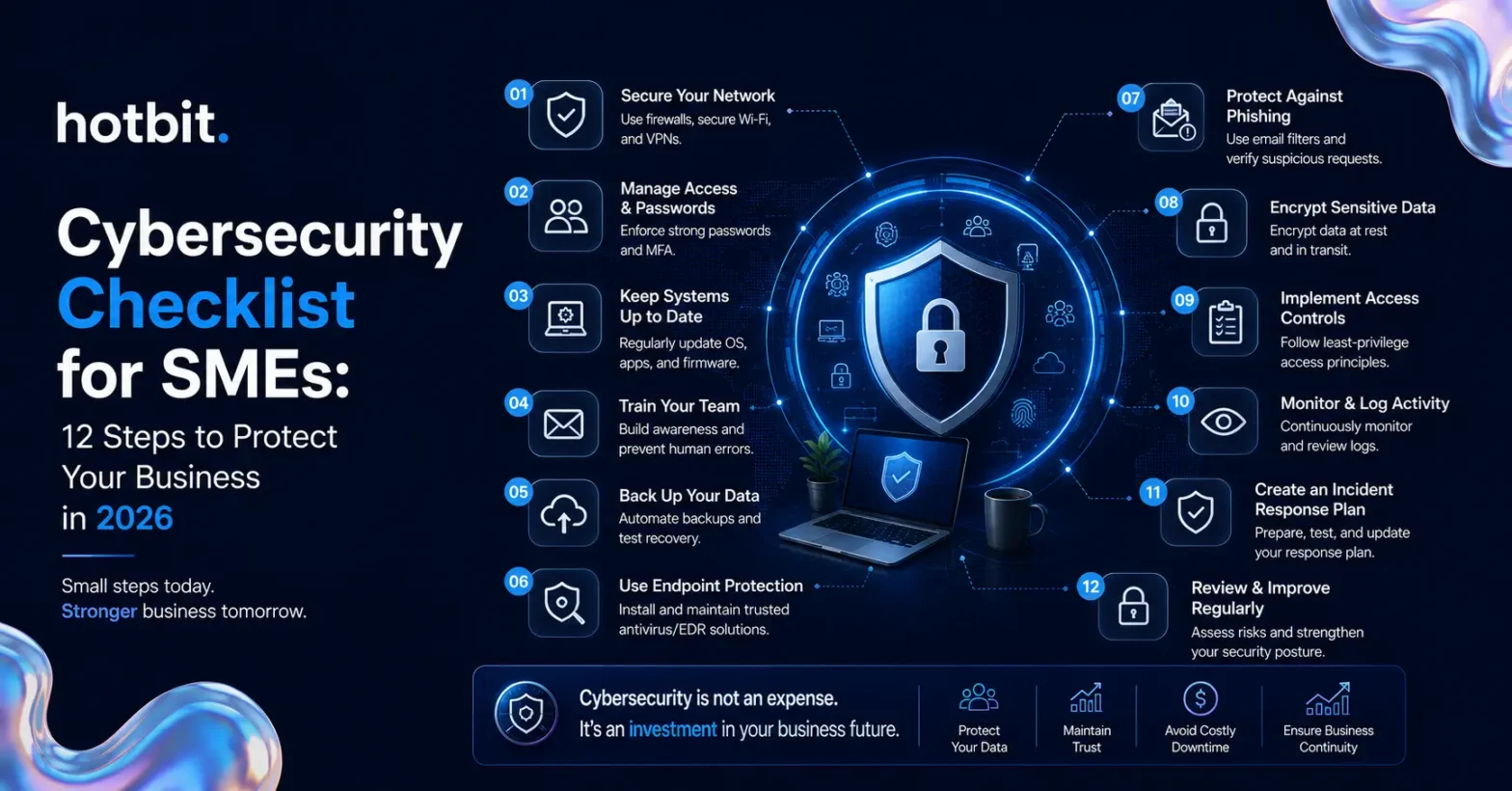
Cybersecurity Checklist for SMEs: 12 Steps to Protect Your Business in 2026

A cybersecurity checklist for SMEs turns scattered good intentions into a system: access controls, patching, backups, training, and incident response, tracked and executed on a schedule instead of left to chance.

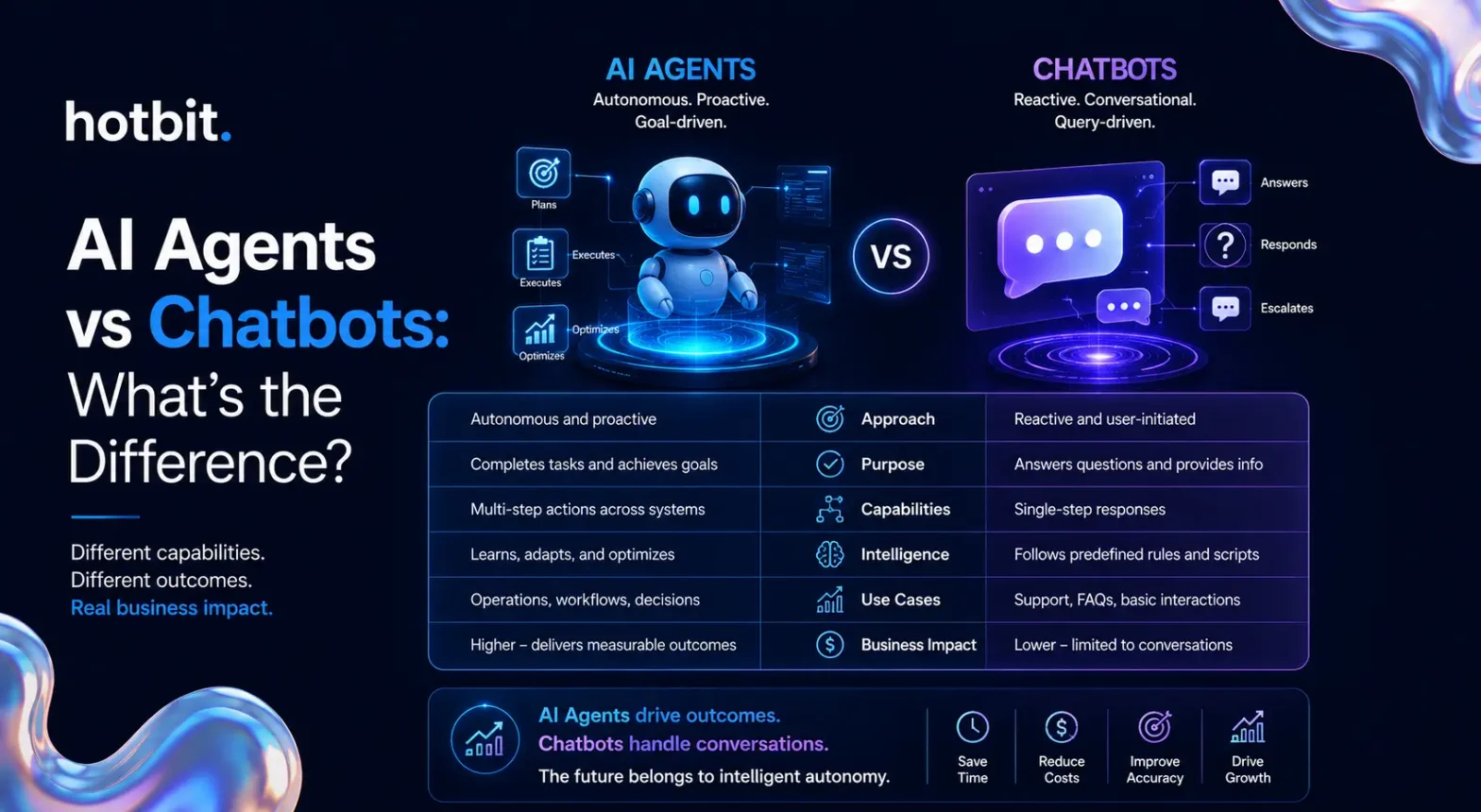
AI Agents vs Chatbots: What’s the Difference?

Every enterprise buying AI right now is really asking one question, whether they realize it or not: are we purchasing a conversation, or a worker? Chatbots and AI agents get pitched under the same banner, but they are built to do fundamentally different jobs. Confusing the two is an expensive mistake to make at scale.

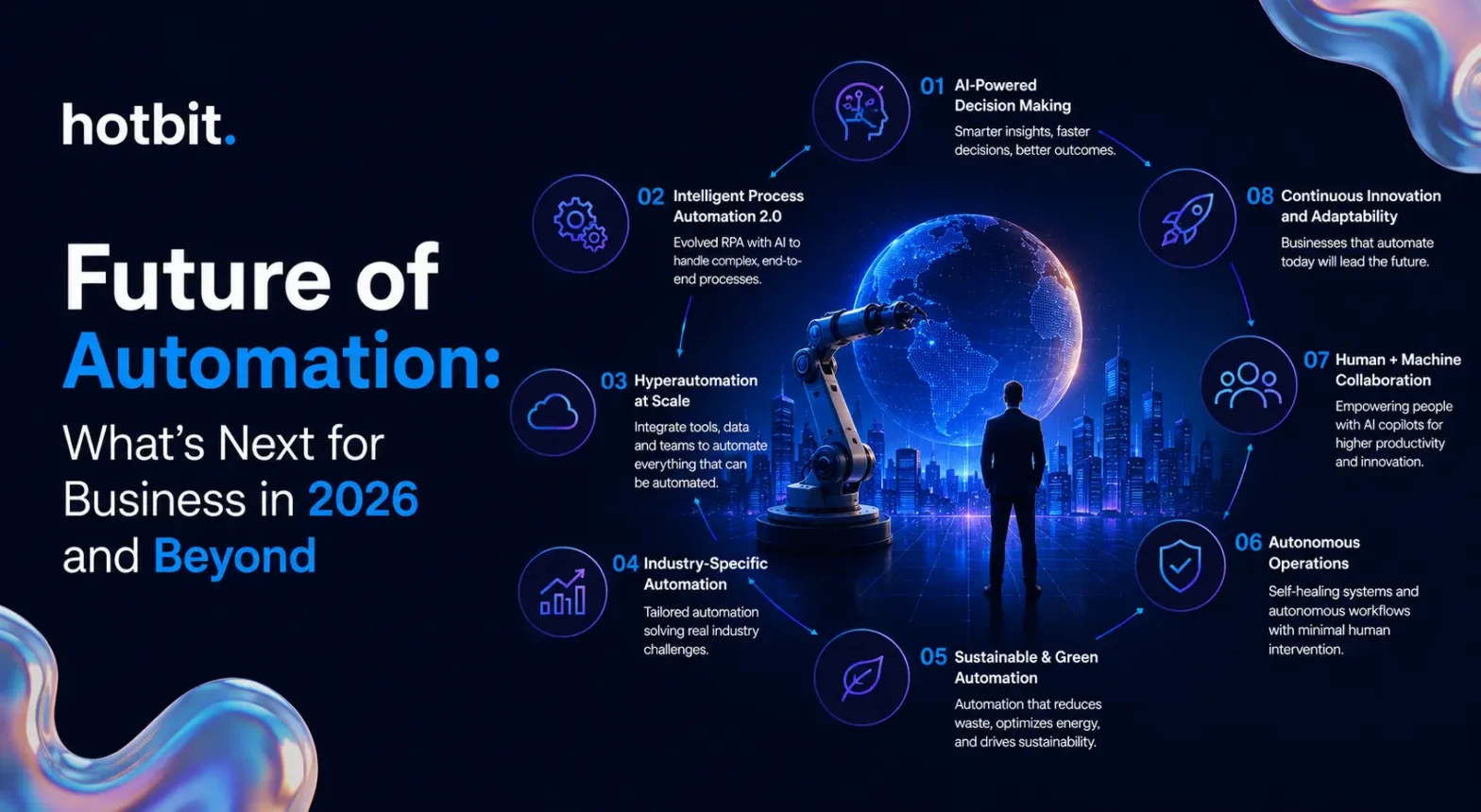
Future of Automation: What’s Next for Business in 2026 and Beyond

The future of automation is increasingly shifting from isolated, single-task bots toward AI-driven systems, including agentic AI. These systems can plan, decide, and execute multi-step business processes with less human input at each step than today’s tools require.

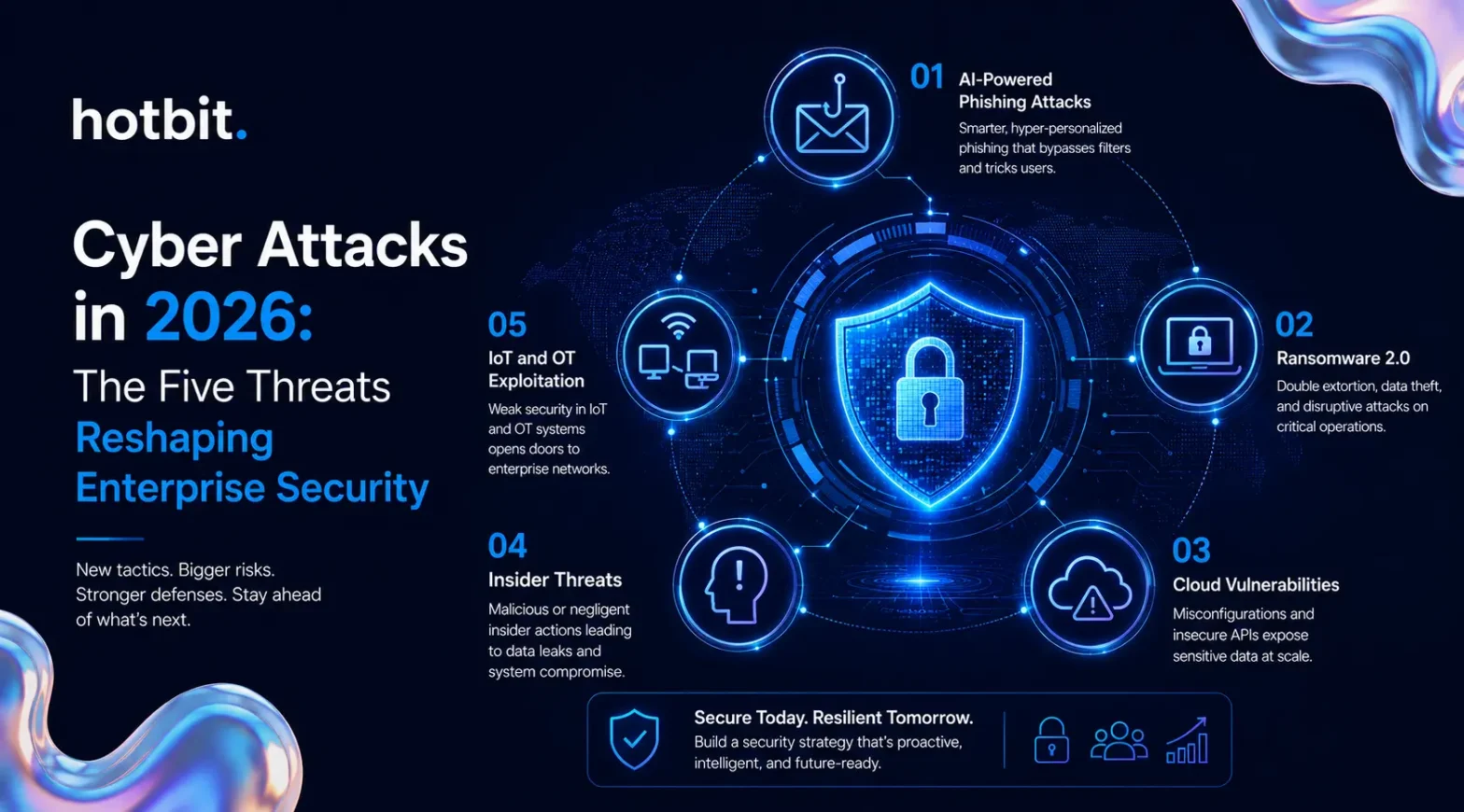
Cyber Attacks in 2026: The Five Threats Reshaping Enterprise Security

Cyber attacks in 2026 no longer wait for a mistake; they manufacture one. Attackers now write, launch, and adapt campaigns faster than most security teams can review a single alert. According to IBM’s 2025 Cost of a Data Breach Report, phishing accounted for 16% of the breaches studied, at an average cost of $4.8 million per incident.

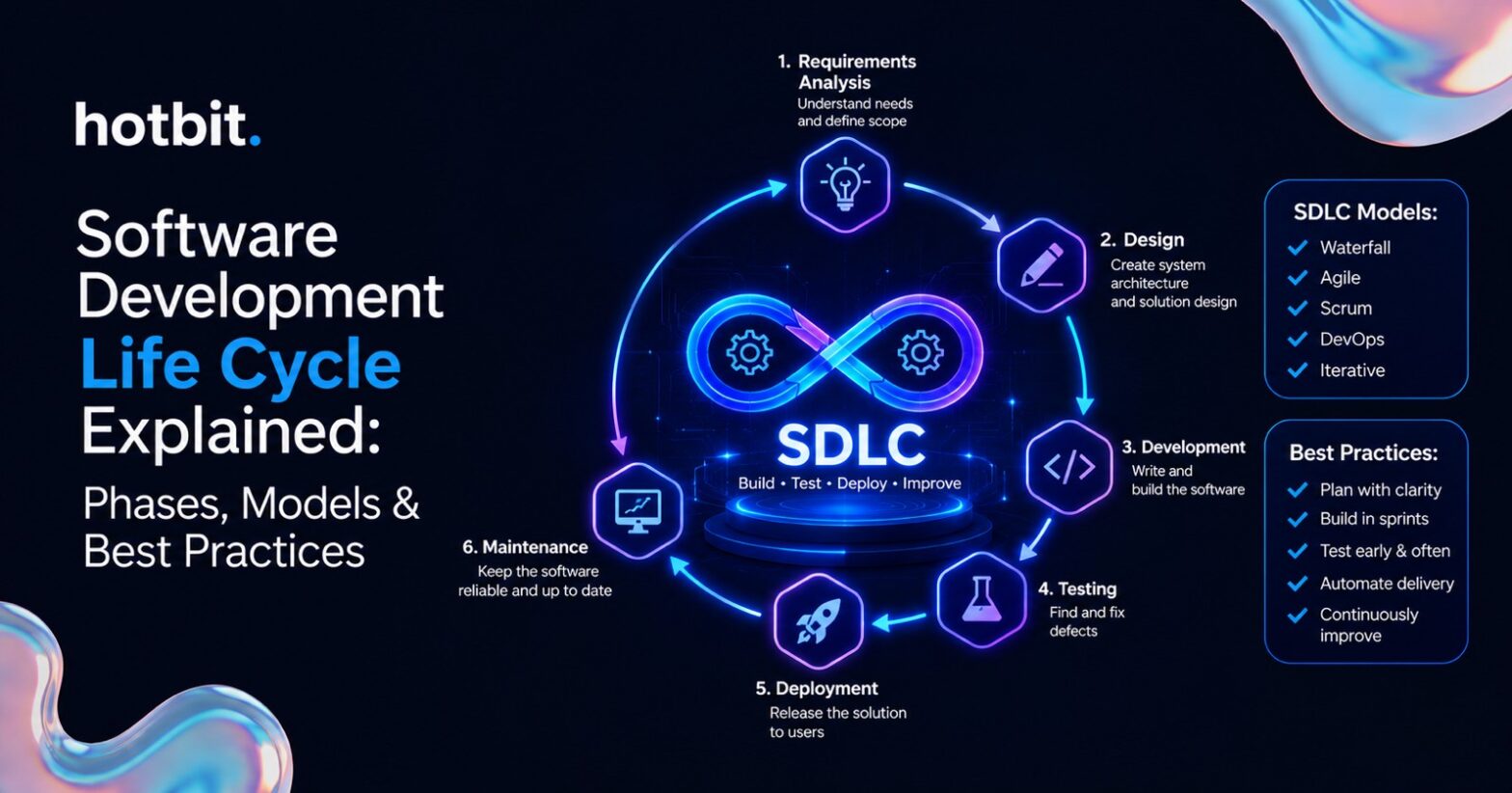
Software Development Life Cycle Explained: Phases, Models & Best Practices

The Software Development Life Cycle (SDLC) turns a business requirement into working software through a defined, repeatable sequence: plan, build, test, deploy, maintain. Skip that structure and the cost shows up fast. According to a 2012 McKinsey and University of Oxford analysis of large IT projects with initial budgets above $15 million, the average project ran 45% over budget, took 7% longer than planned, and delivered 56% less value than promised.

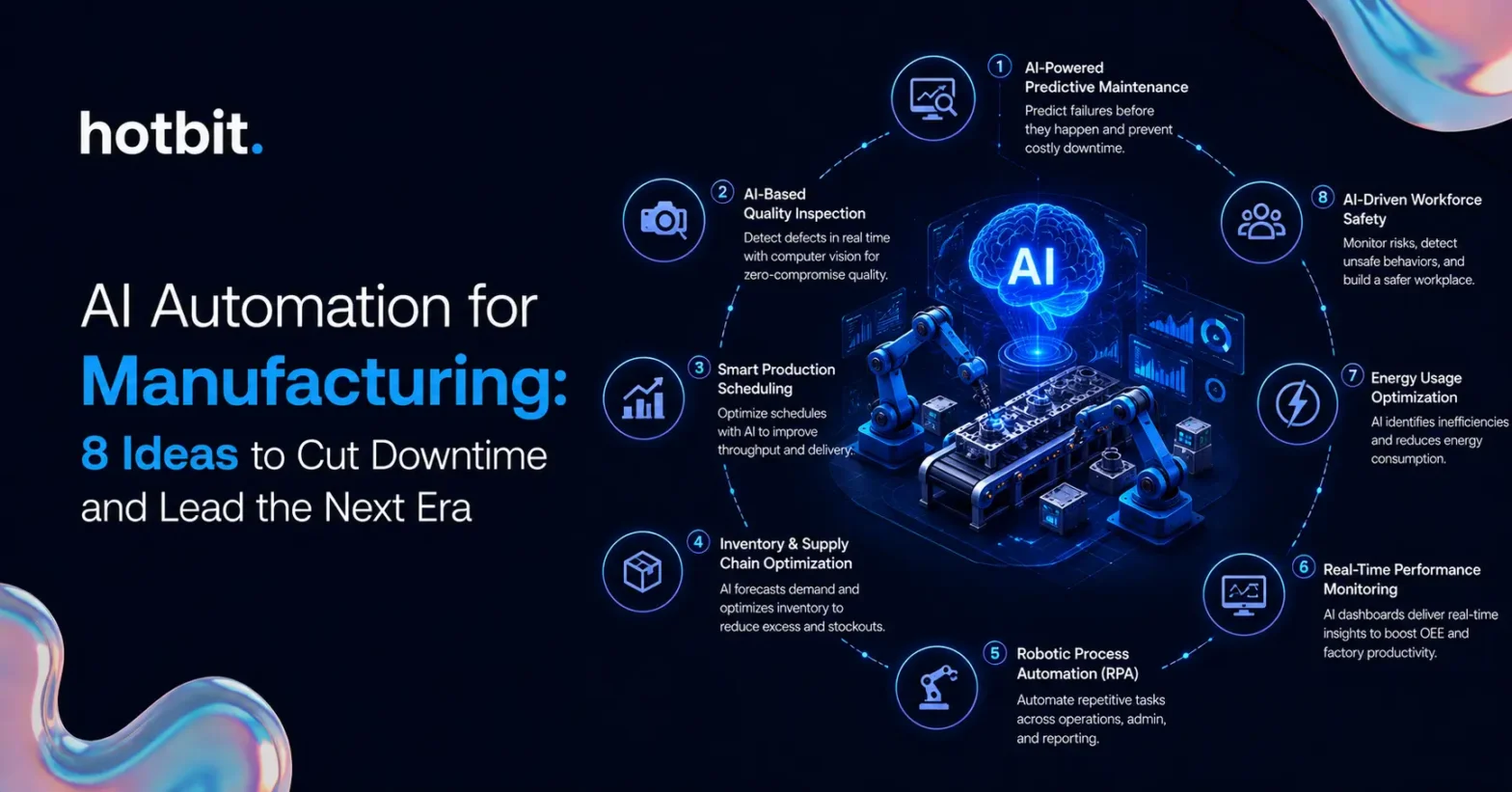
AI Automation for Manufacturing: 8 Ideas to Cut Downtime and Lead the Next Era

AI Automation is rewiring how manufacturers hit uptime, quality, and delivery targets and the plants that adopt it first are pulling away from the rest. The pressure to cut downtime, reduce waste, and outpace the next production cycle isn’t coming; it’s already here. Every quarter a manufacturer waits is a quarter a competitor spends closing the gap.

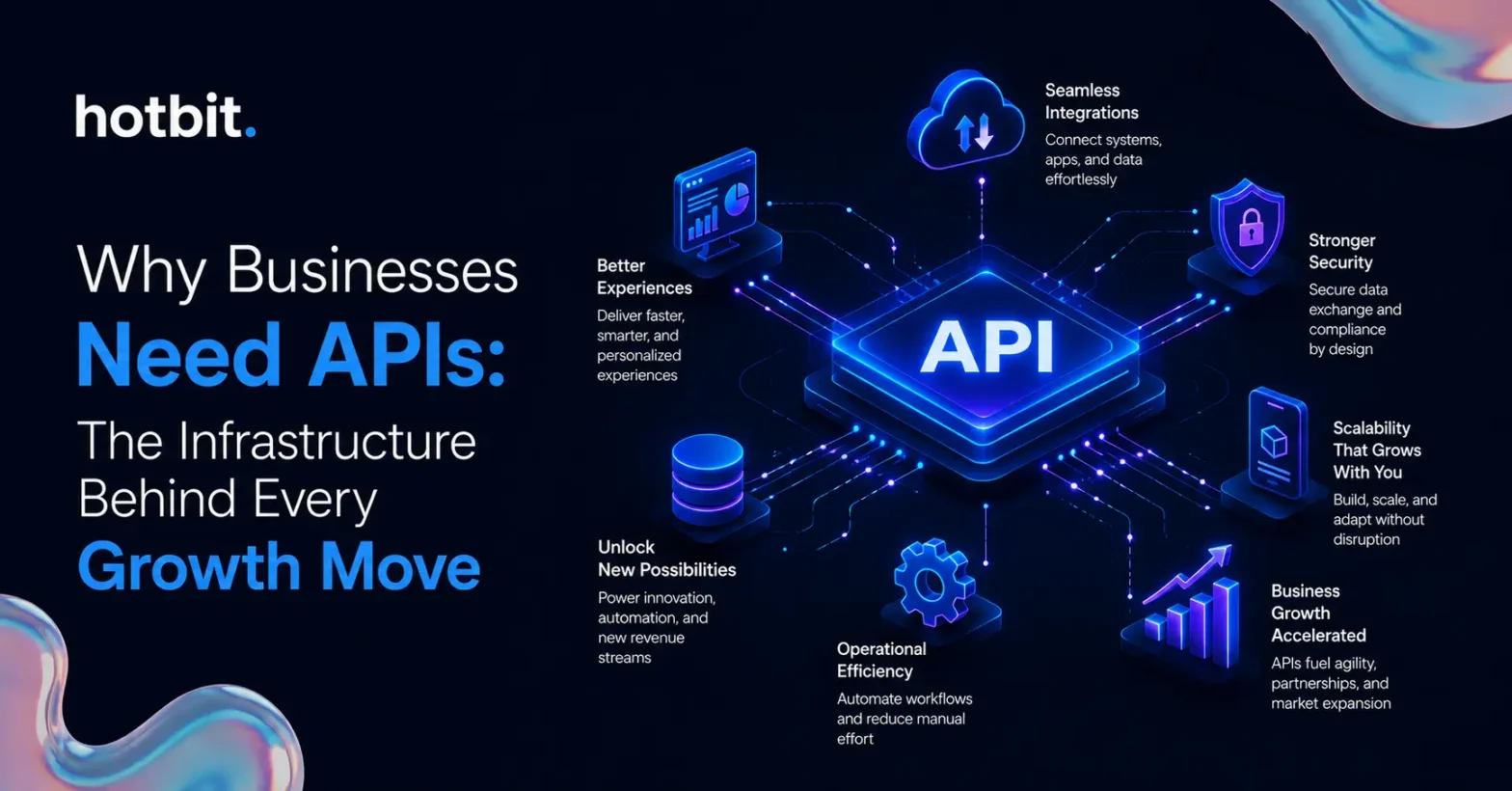
Why Businesses Need APIs: The Infrastructure Behind Every Growth Move

Every system a business runs CRM, payments, inventory, AI has to talk to every other system it touches. The companies that build that connectivity well move faster than the ones that don’t. The gap between the two is widening every quarter.

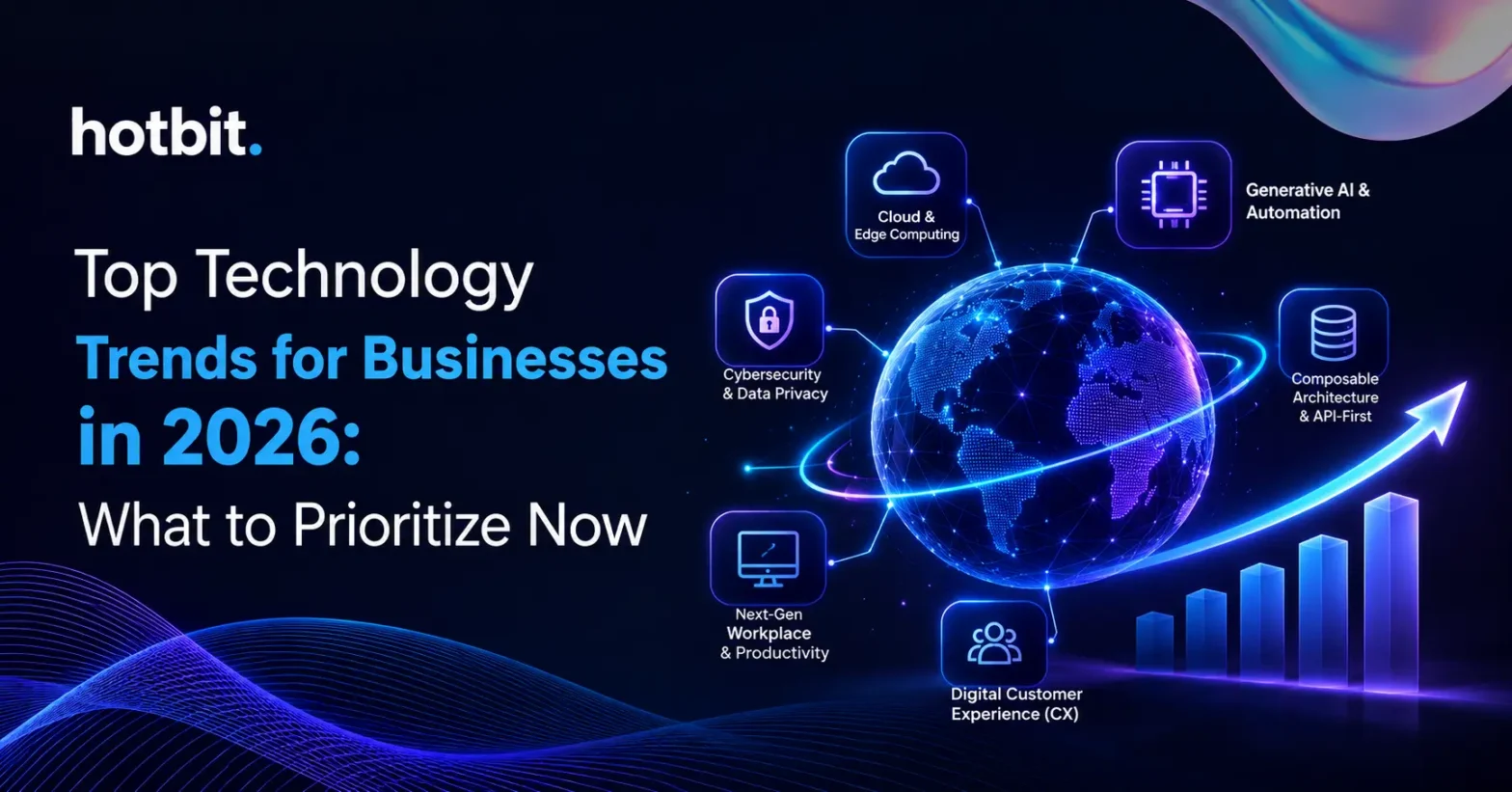
Top Technology Trends for Businesses in 2026: What to Prioritize Now

Top technology trends for businesses in 2026 aren’t a wish list they determine who scales AI and who stalls. According to McKinsey’s 2025 State of AI survey, 88% of organizations already use AI in at least one business function, yet most remain stuck in pilot mode rather than production.